OpenSeed & varieties
Certified Seed Development Programme
Raises the share of certified seed in circulation by developing a registered grower network alongside the federal seed certification system.
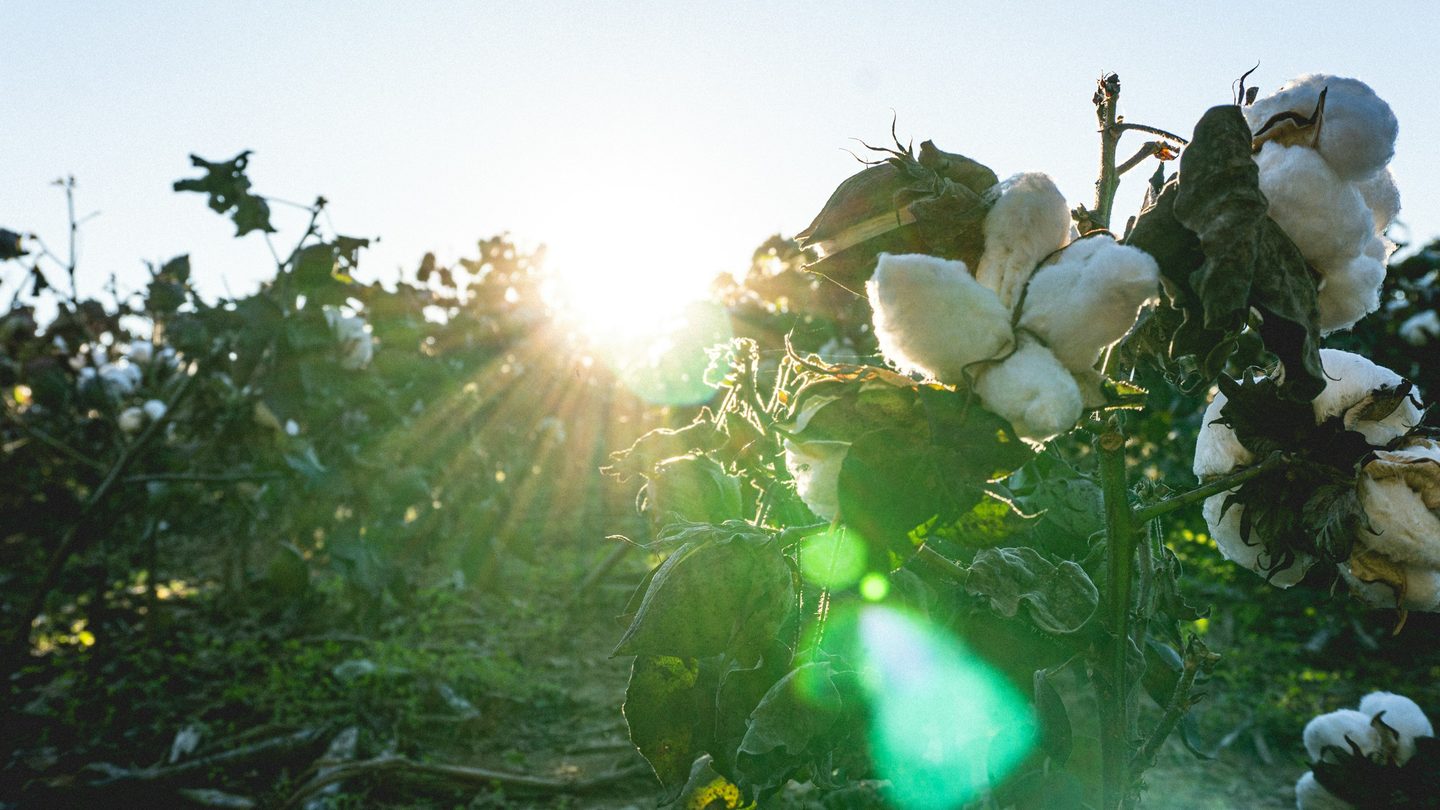
The fibre crop that anchors the textile economy.
Grown in: Punjab, Sindh, Balochistan. Windows are indicative and shift with district, altitude and season.
Overview
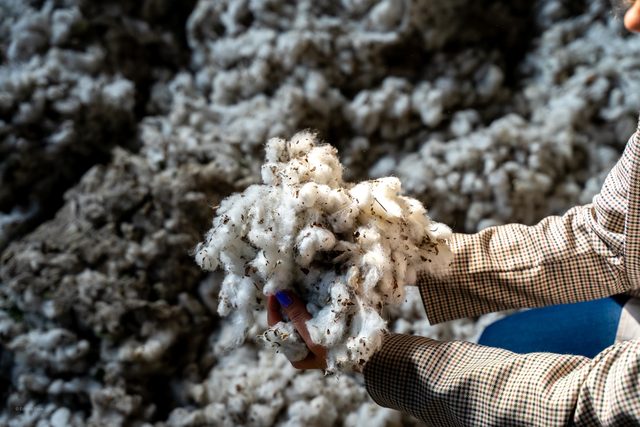
Cotton is the principal cash and fibre crop, feeding the textile industry. The core belt runs through southern Punjab and upper Sindh. Whitefly-transmitted leaf curl virus remains the defining production risk.
Growing conditions
Long, hot growing season with 25–35 °C and abundant sunshine. Rain at boll opening lowers lint quality.
Deep, well-drained alluvial loam, pH 6.0–8.0. Waterlogging is more damaging to cotton than to most Kharif crops.
Sow February to April in Sindh and April to mid-May in Punjab. Seed rate 8 kg per acre for delinted seed. Sow on ridges 75 cm apart with 22–30 cm plant spacing.
Six to eight irrigations. The flowering and boll-development stage is the most sensitive to moisture stress; avoid both stress and standing water.
Around 60 kg N, 25 kg P₂O₅ and 25 kg K₂O per acre. Split nitrogen across sowing, first flower and peak boll formation. Foliar boron at flowering can improve boll retention.
Hand-pick in three to four rounds from August to November as bolls open fully. Pick dry, keep lots clean and avoid mixing varieties to protect staple length.
Crop protection
Identify first, then treat on threshold. Routine calendar spraying costs money and drives resistance.
Insect pests 5
Diseases 3
Report a suspected notifiable pest to your district office. Find your office
Related
Raises the share of certified seed in circulation by developing a registered grower network alongside the federal seed certification system.
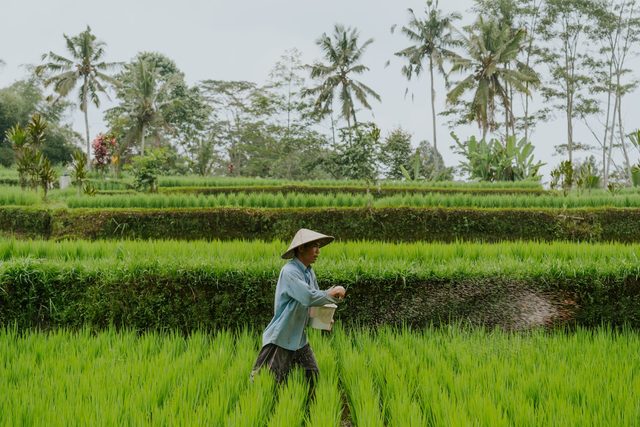
Cuts unnecessary spraying by moving decisions onto economic thresholds rather than calendar routines.
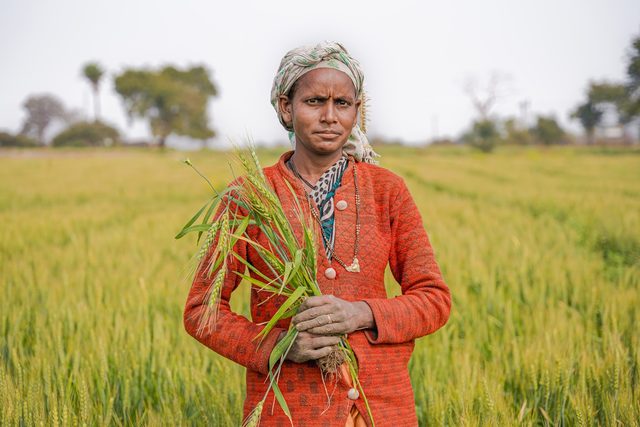
Direct input-cost support aimed at smallholders, delivered through district agriculture offices and paid against verified purchase receipts.
Sowing windows shift with altitude, canal rotation and the season itself. Your district office has the local figures.