OpenSeed & varieties
Certified Seed Development Programme
Raises the share of certified seed in circulation by developing a registered grower network alongside the federal seed certification system.
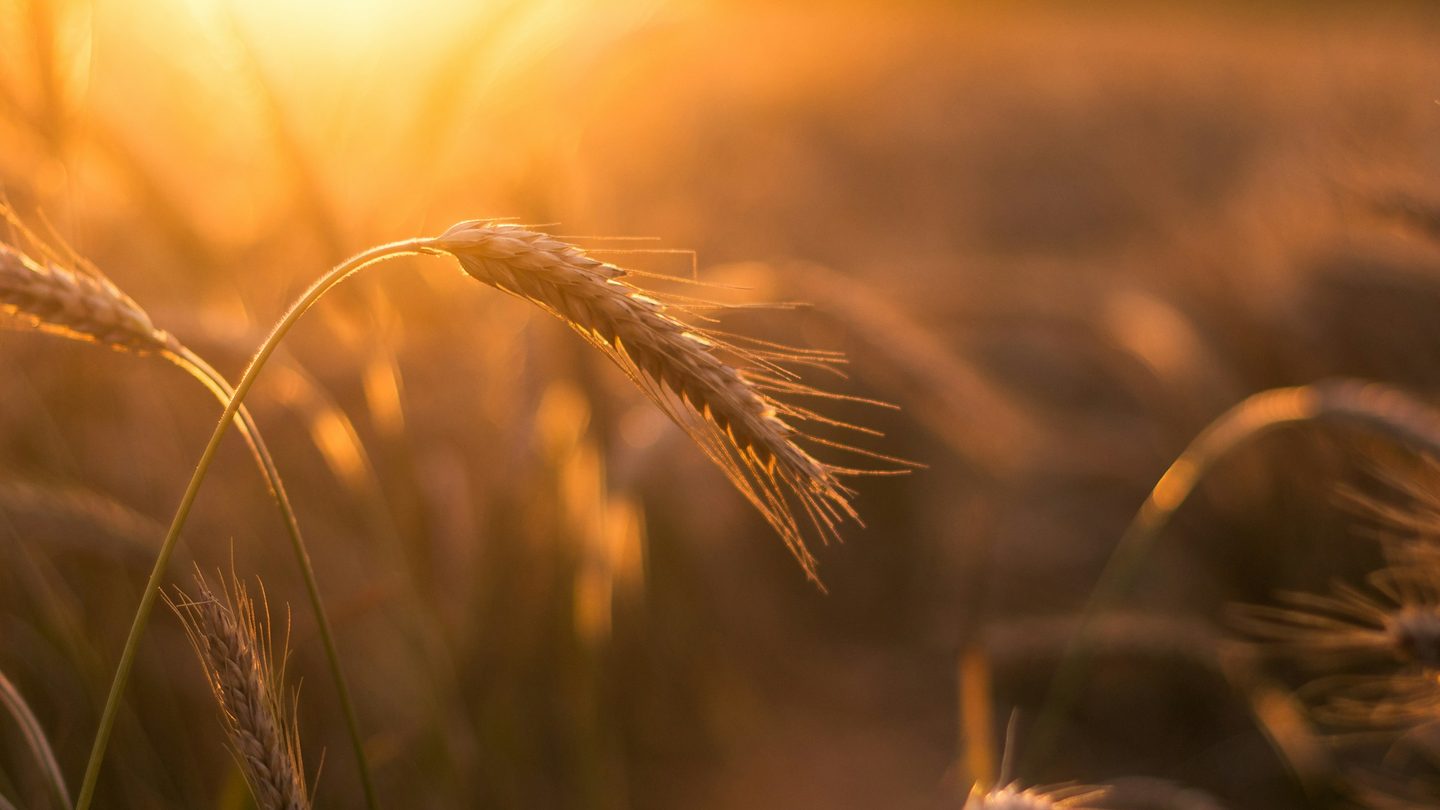
The backbone of national food security and the largest Rabi crop.
Grown in: Punjab, Sindh, Khyber Pakhtunkhwa, Balochistan. Windows are indicative and shift with district, altitude and season.
Overview
Wheat is Pakistan’s principal food grain and the dominant Rabi crop, grown across the irrigated plains of Punjab and Sindh and in the rain-fed (barani) belts of Potohar and Khyber Pakhtunkhwa. Yield is decided largely by sowing date, seed rate and the first irrigation.
Growing conditions
Cool, dry growing season with 10–25 °C during vegetative growth. Grain filling suffers sharply above 32 °C, so late sowing carries a heat-stress penalty.
Well-drained loam to clay loam, pH 6.5–8.0. Avoid waterlogged and heavily saline patches; reclaim with gypsum where sodicity is diagnosed.
Optimum sowing 1–20 November in irrigated Punjab; up to early December in Sindh. Seed rate 50 kg per acre for timely sowing, raised to 60 kg for late sowing. Drill in rows 22.5 cm apart at 4–5 cm depth.
Four to five irrigations. The crown-root initiation irrigation at 20–25 days after sowing is the single most yield-critical; follow at tillering, jointing, booting and grain filling.
Typical schedule 55 kg N, 45 kg P₂O₅ and 25 kg K₂O per acre. Apply all phosphorus and potash plus one third of nitrogen at sowing; split the remaining nitrogen across the first two irrigations. Confirm against a soil test.
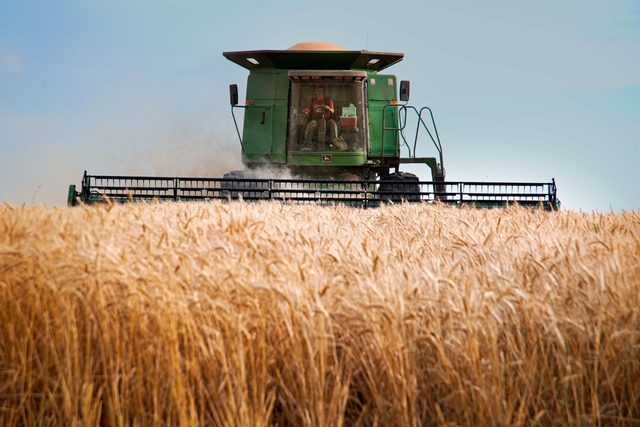
Harvest at physiological maturity when grain moisture falls to 20 % and straw yellows, generally April in Sindh and mid-April to May in Punjab. Delay invites shattering losses.
Crop protection
Identify first, then treat on threshold. Routine calendar spraying costs money and drives resistance.
Insect pests 4
Diseases 4
Report a suspected notifiable pest to your district office. Find your office
Related
Raises the share of certified seed in circulation by developing a registered grower network alongside the federal seed certification system.
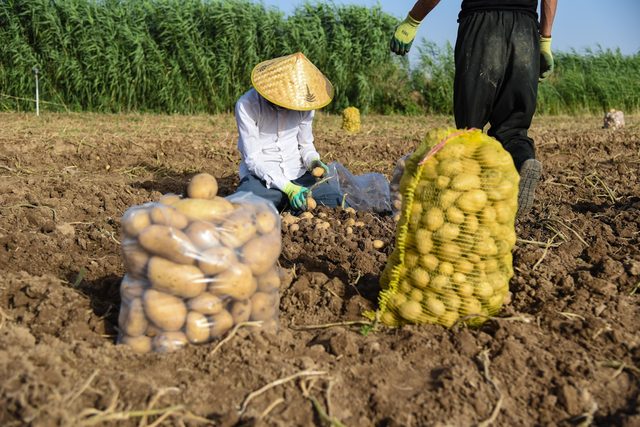
Addresses storage losses in staples and vegetables. This intake has closed; the next cycle will be announced on this page.
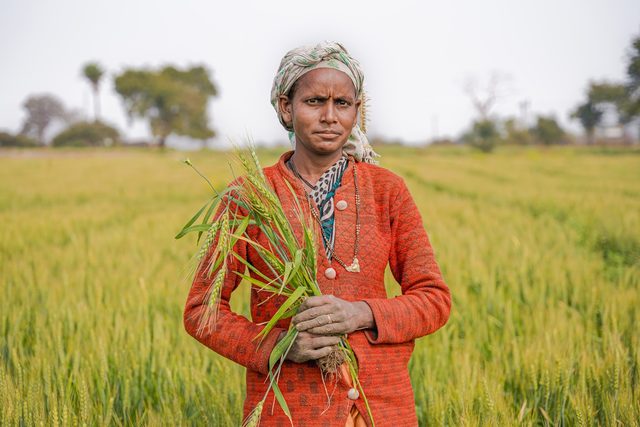
Direct input-cost support aimed at smallholders, delivered through district agriculture offices and paid against verified purchase receipts.
Sowing windows shift with altitude, canal rotation and the season itself. Your district office has the local figures.