OpenInput support
Farmer Support Initiative
Direct input-cost support aimed at smallholders, delivered through district agriculture offices and paid against verified purchase receipts.
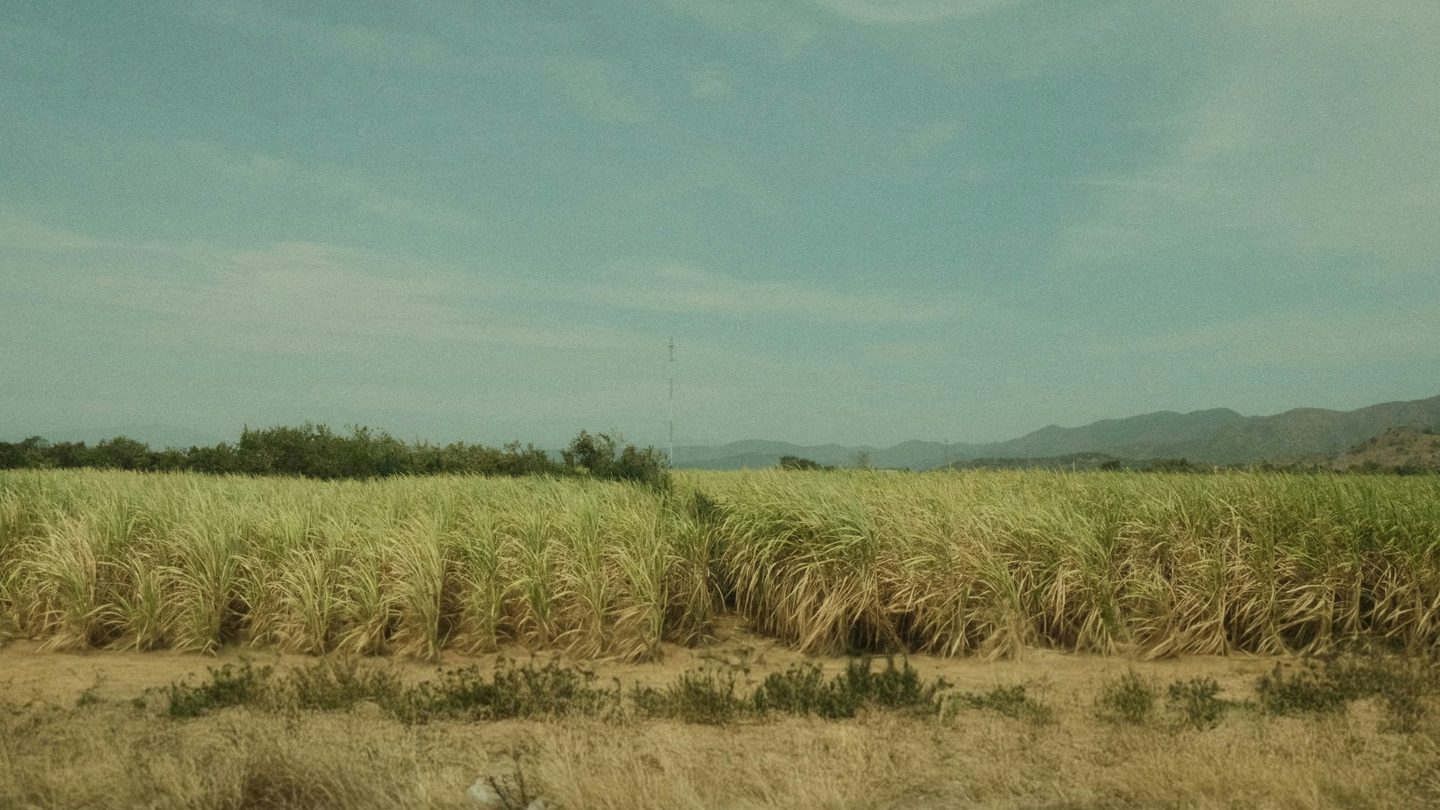
A twelve-month crop supplying the sugar and gur industries.
Grown in: Punjab, Sindh, Khyber Pakhtunkhwa. Windows are indicative and shift with district, altitude and season.
Overview
Sugarcane occupies the field for a full year and supports both mill sugar and traditional gur production. Ratoon management largely determines whether the second and third crops stay profitable.
A crop that occupies the field for a full year, and rewards the grower who plans the ratoon before the first cane is cut.
Twelve months in the groundGrowing conditions
Hot and humid during growth with 25–35 °C; cool, dry weather before harvest raises sucrose recovery.
Deep, fertile, well-drained loam with good water-holding capacity, pH 6.5–7.5.
Autumn planting September to October gives the highest yields; spring planting February to March is more common. Use 30,000–35,000 three-budded setts per acre from a certified, disease-free nursery.
Fifteen to twenty irrigations across the year. The grand growth phase from June to September carries the highest demand. Trench planting with alternate-furrow irrigation saves water.
Roughly 100 kg N, 45 kg P₂O₅ and 50 kg K₂O per acre, nitrogen split three ways up to the onset of the grand growth phase. Press mud and farmyard manure improve structure on tired soils.
Harvest from November to March at peak sucrose. Cut at ground level, crush within 24 hours of cutting and remove trash from ratoons promptly.
Crop protection
Identify first, then treat on threshold. Routine calendar spraying costs money and drives resistance.
Insect pests 4
Diseases 4
Report a suspected notifiable pest to your district office. Find your office
Related
Direct input-cost support aimed at smallholders, delivered through district agriculture offices and paid against verified purchase receipts.
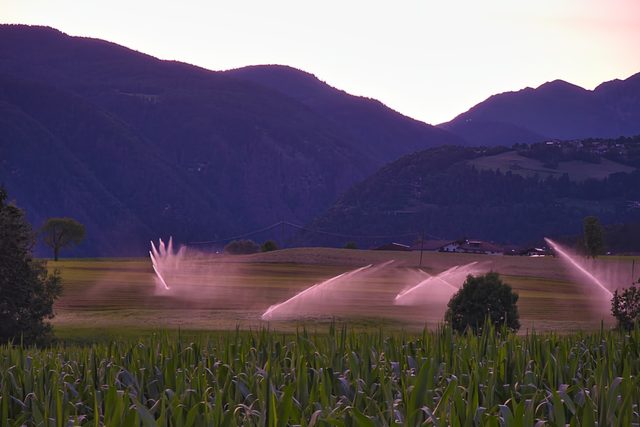
Supports the shift from flood irrigation to pressurised systems, with technical design provided by the department’s water management wing.
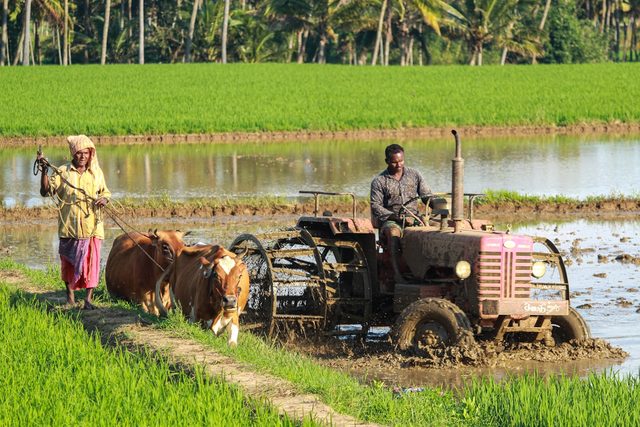
Reduces the capital barrier to mechanisation, with a preference for shared-use service models that reach farms too small to own machinery.
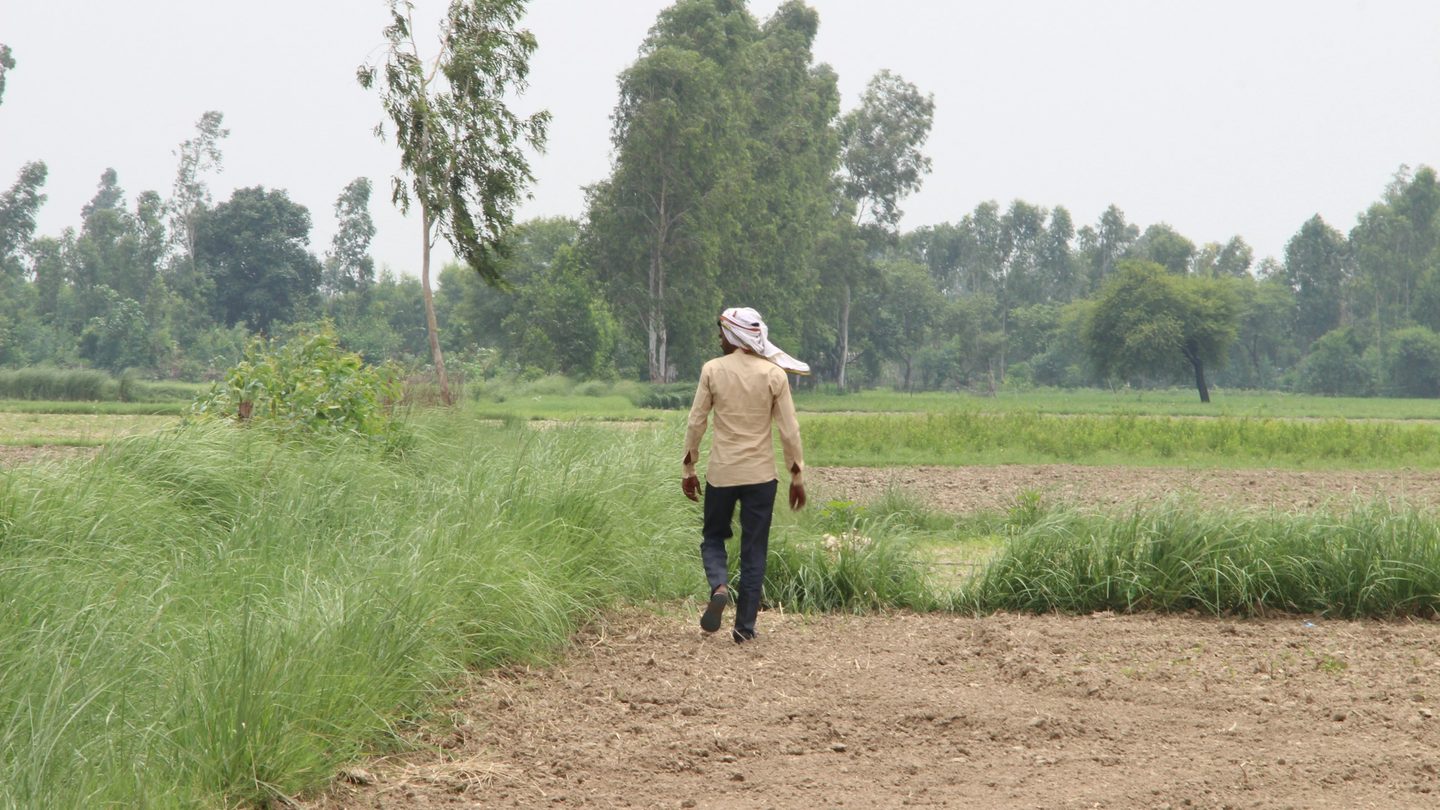
Sowing windows shift with altitude, canal rotation and the season itself. Your district office has the local figures.