OpenPost-harvest
Horticulture Value Chain Programme
Targets the losses that occur between the orchard and the buyer, where a large share of fruit value is currently lost.
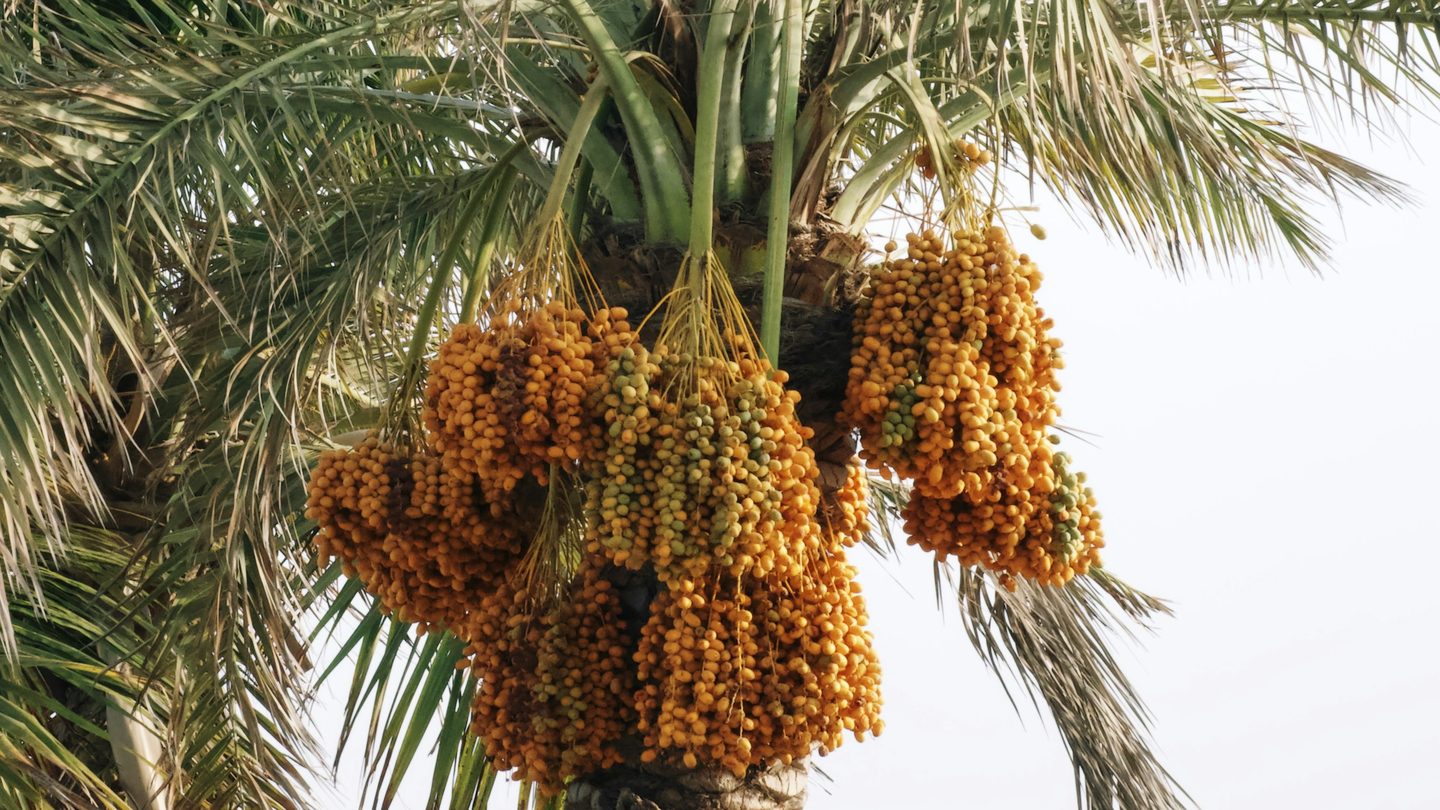
Aseel of Khairpur and the Makran groves — an arid-zone speciality.
Grown in: Sindh, Balochistan, Punjab. Windows are indicative and shift with district, altitude and season.
Overview
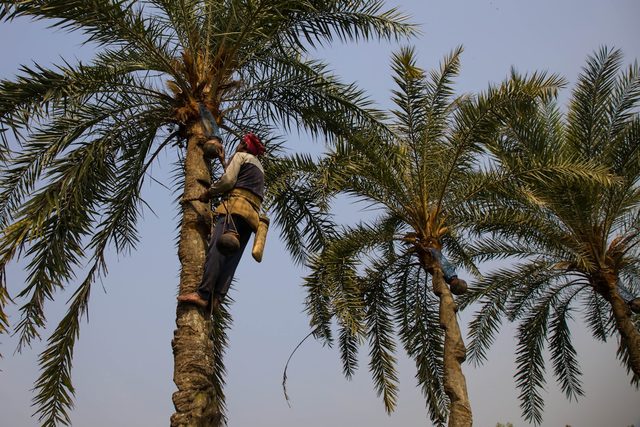
Date palm thrives where little else will, in Khairpur in Sindh and in Panjgur, Turbat and Kech in Balochistan. Monsoon rain arriving before harvest is the single largest source of loss.
Growing conditions
Hot, arid conditions with long dry summers. Needs high summer heat to ripen; rain at ripening spoils fruit on the bunch.
Sandy loam with good drainage. Tolerates salinity and alkalinity far better than any other fruit crop grown at scale.
Plant offshoots from high-yielding mother palms in February to March or August to September at 8×8 m. Maintain roughly one male palm for every 50 females for pollination.
Irrigate every 7–10 days in summer, extending to 20–30 days in winter. Drip irrigation performs well and conserves scarce groundwater.
For a bearing palm, about 1 kg N, 0.5 kg P₂O₅ and 1 kg K₂O per year plus 50 kg organic manure applied in the basin.
Harvest July to September at the doka, dang or pind stage depending on the market. Bunch covering before the monsoon protects fruit from rain damage.
Crop protection
Identify first, then treat on threshold. Routine calendar spraying costs money and drives resistance.
Insect pests 4
Diseases 3
Report a suspected notifiable pest to your district office. Find your office
Related
Targets the losses that occur between the orchard and the buyer, where a large share of fruit value is currently lost.
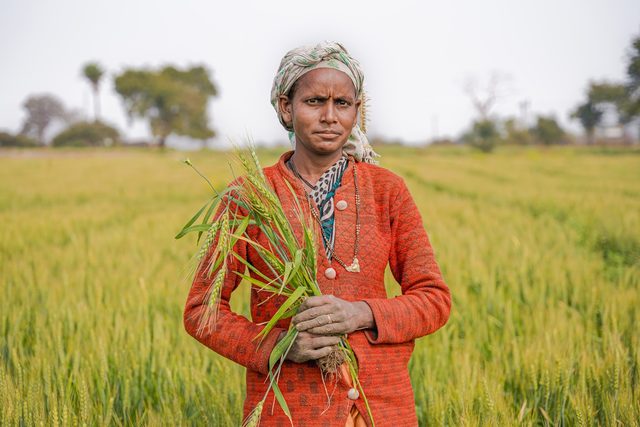
Direct input-cost support aimed at smallholders, delivered through district agriculture offices and paid against verified purchase receipts.
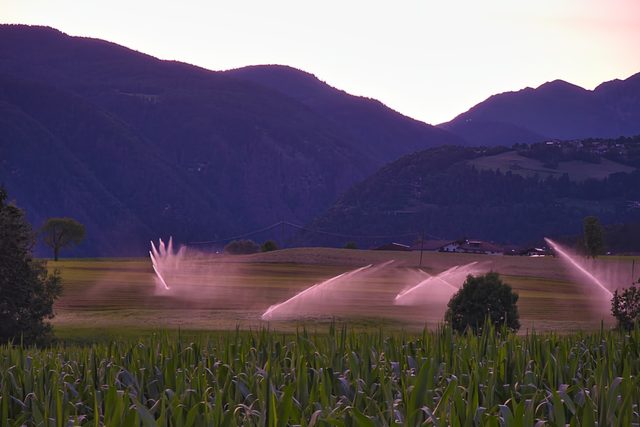
Supports the shift from flood irrigation to pressurised systems, with technical design provided by the department’s water management wing.
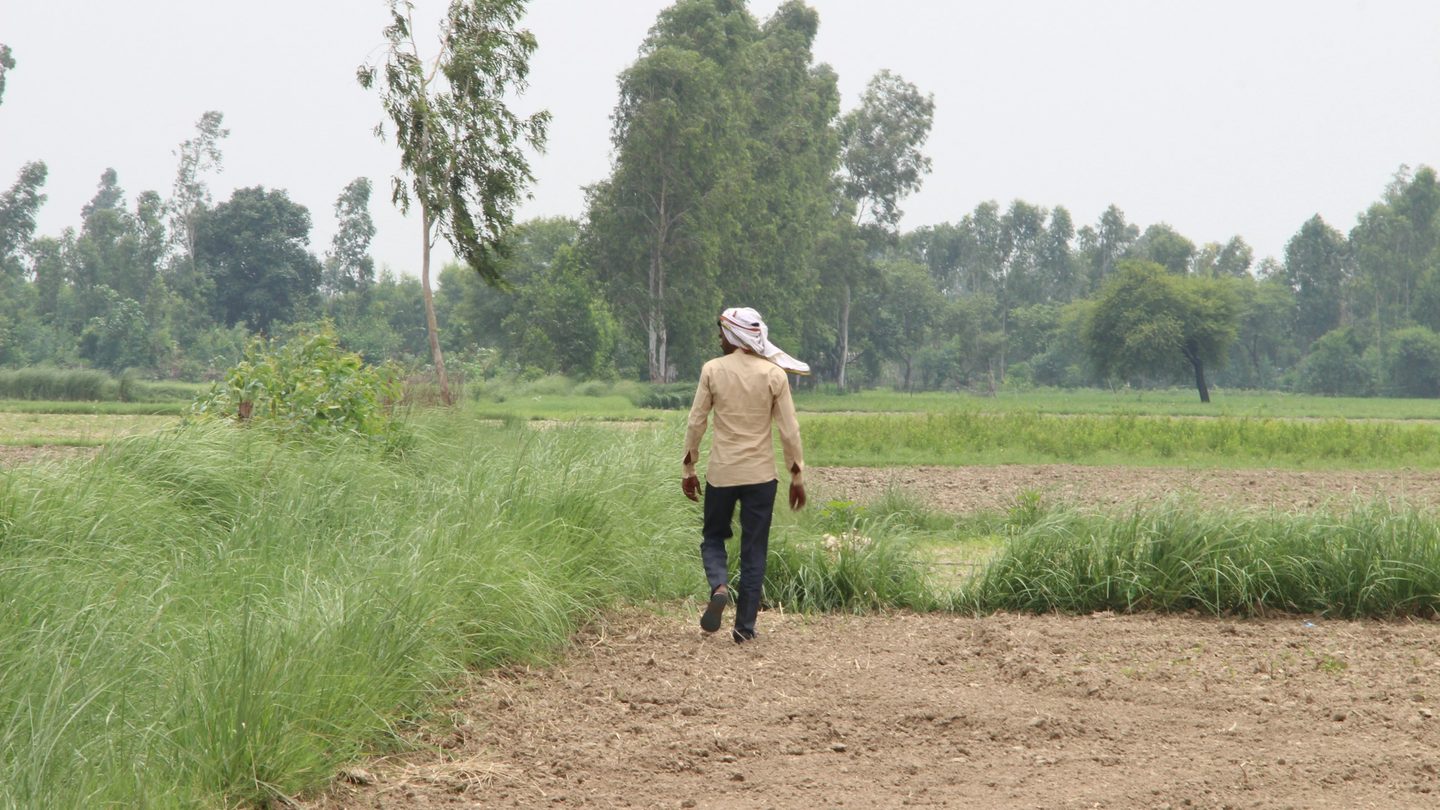
Sowing windows shift with altitude, canal rotation and the season itself. Your district office has the local figures.