ClosedPost-harvest
On-Farm Storage Improvement
Addresses storage losses in staples and vegetables. This intake has closed; the next cycle will be announced on this page.
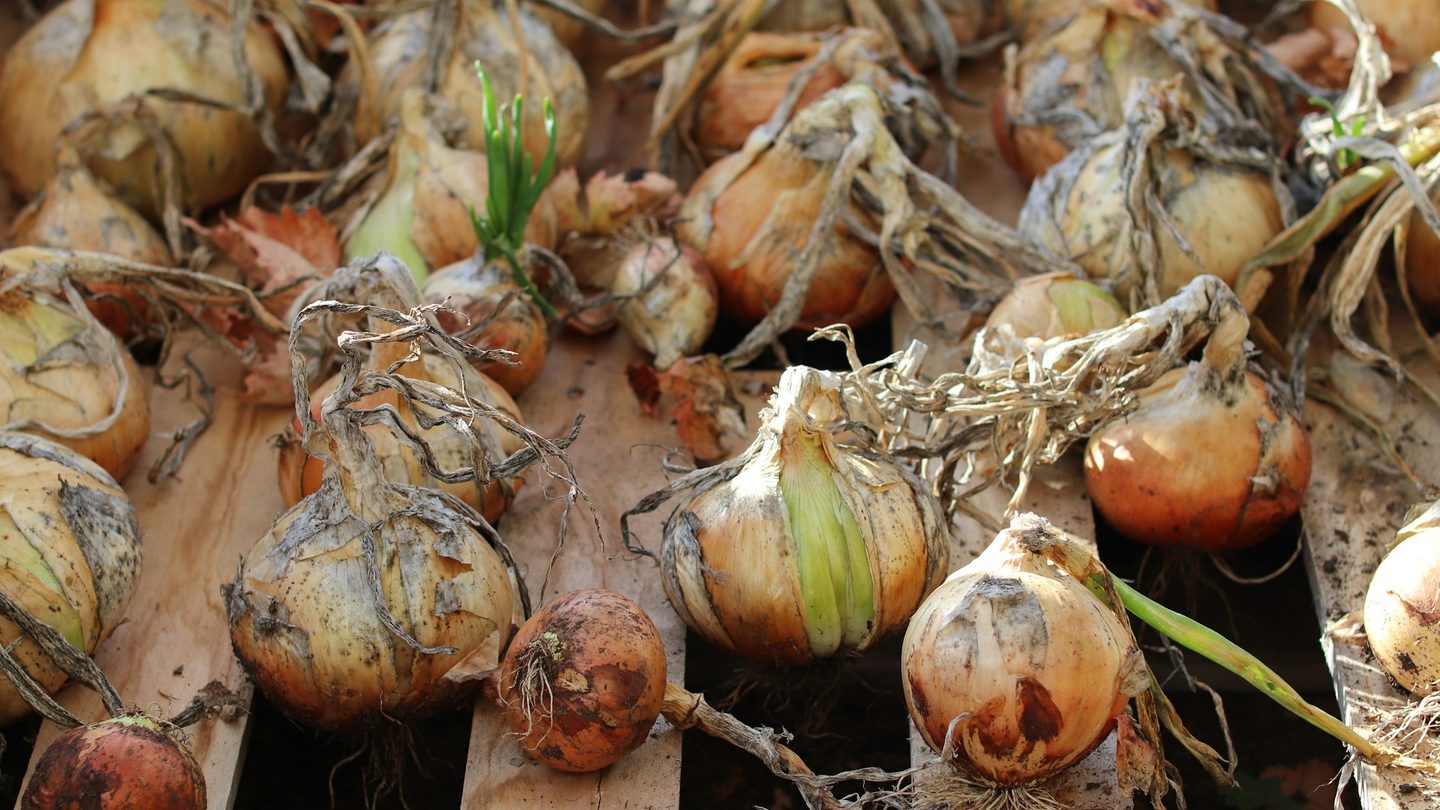
A year-round kitchen staple with sharp seasonal price swings.
Grown in: Sindh, Balochistan, Punjab. Windows are indicative and shift with district, altitude and season.
Overview
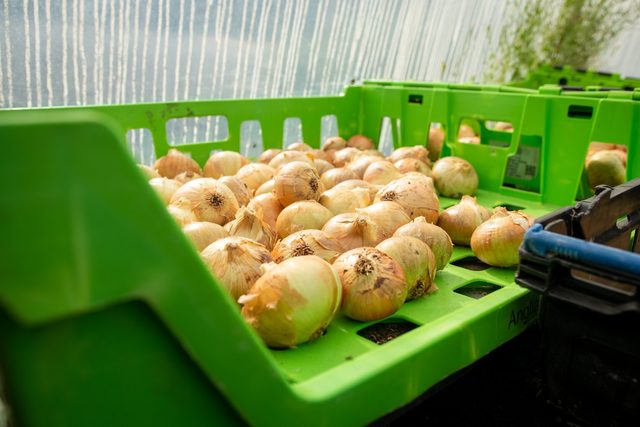
Onion is grown across Sindh, Balochistan and Punjab in overlapping seasons, which keeps supply continuous. Post-harvest curing and storage are where most of the avoidable loss occurs.
Growing conditions
Cool weather during vegetative growth followed by warm, dry conditions at bulbing and maturity.
Fertile, well-drained sandy loam high in organic matter, pH 6.0–7.5.
Raise nursery and transplant six to eight week old seedlings. Rabi transplanting December to January; Kharif transplanting June to July. Space 15×10 cm, using 4–5 kg seed per acre.
Ten to twelve light, frequent irrigations. Stop irrigating 15 days before harvest so the necks dry down and the bulbs store.
About 60 kg N, 40 kg P₂O₅ and 40 kg K₂O per acre, nitrogen split between transplanting and 30–45 days after. Sulphur improves pungency and keeping quality.
Harvest when 50–75 % of tops fall over. Cure in windrows in shade for 10–15 days before grading; well-cured bulbs store for months.
Crop protection
Identify first, then treat on threshold. Routine calendar spraying costs money and drives resistance.
Insect pests 3
Diseases 4
Report a suspected notifiable pest to your district office. Find your office
Related
Addresses storage losses in staples and vegetables. This intake has closed; the next cycle will be announced on this page.
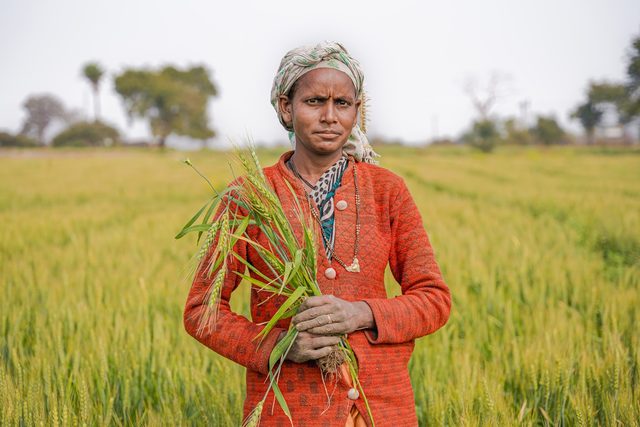
Direct input-cost support aimed at smallholders, delivered through district agriculture offices and paid against verified purchase receipts.
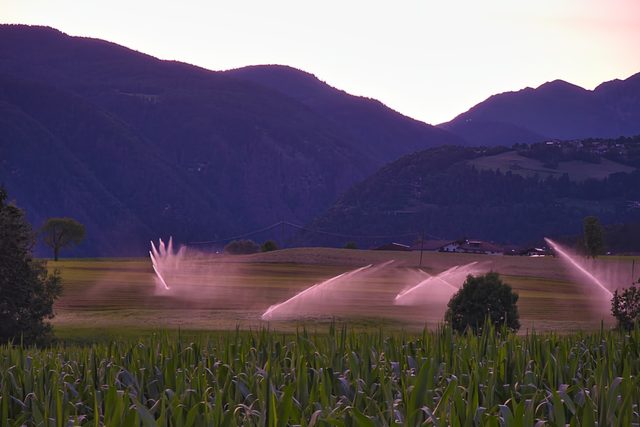
Supports the shift from flood irrigation to pressurised systems, with technical design provided by the department’s water management wing.
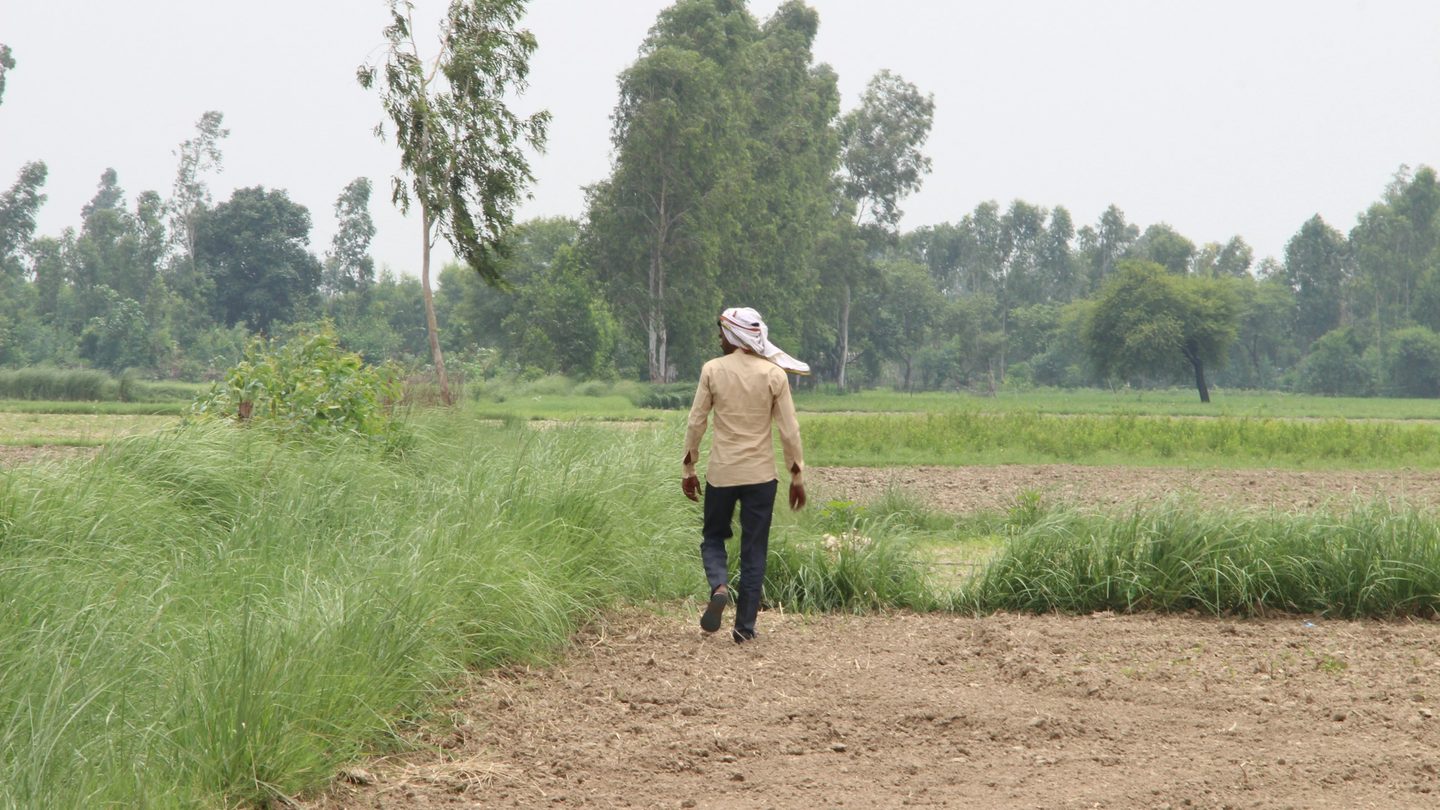
Sowing windows shift with altitude, canal rotation and the season itself. Your district office has the local figures.