OpenSeed & varieties
Certified Seed Development Programme
Raises the share of certified seed in circulation by developing a registered grower network alongside the federal seed certification system.
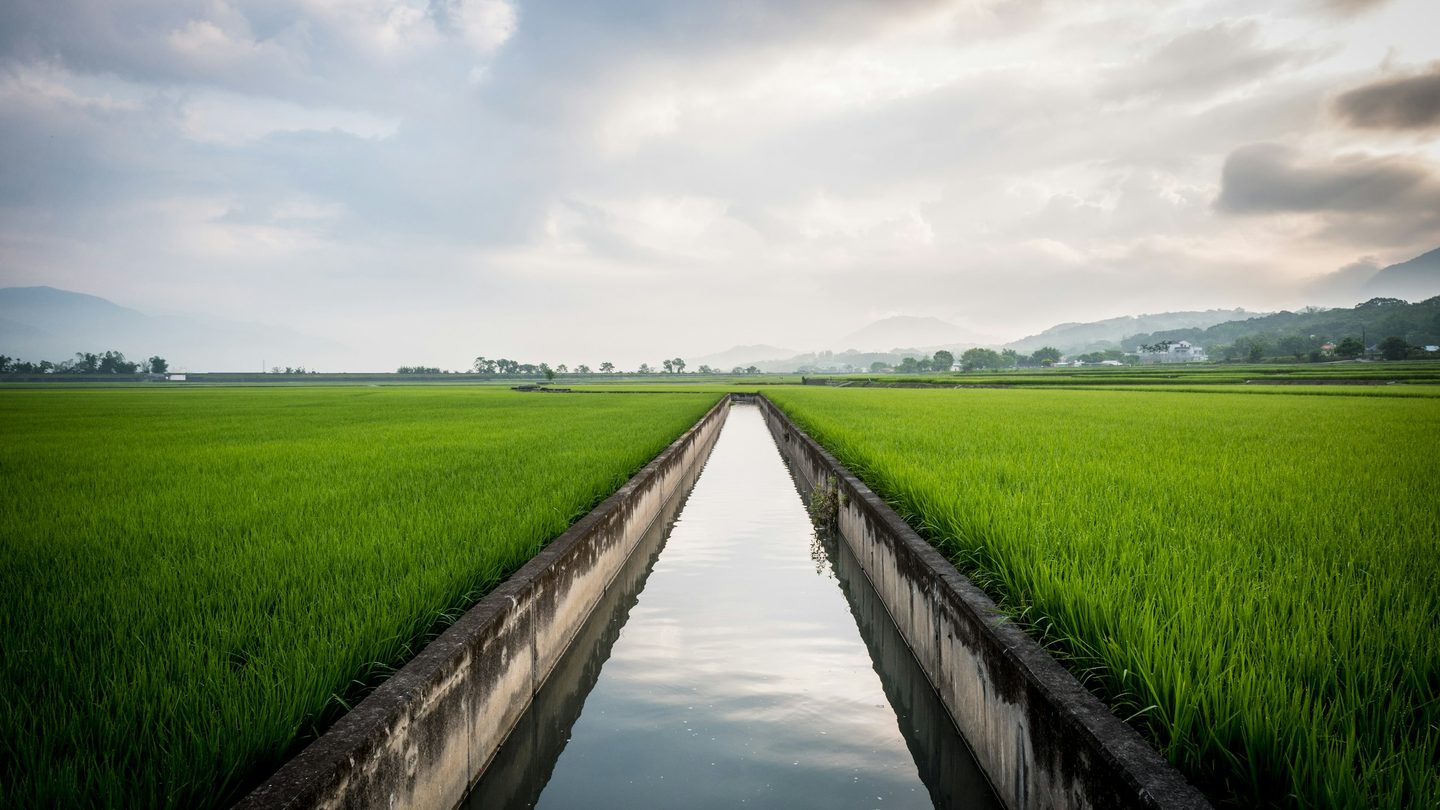
Basmati and coarse varieties — a leading export and a staple.
Grown in: Punjab, Sindh, Balochistan. Windows are indicative and shift with district, altitude and season.
Overview
Rice is the major Kharif cereal and a significant export earner, with aromatic Basmati concentrated in the Kalar tract of Punjab and coarse and hybrid varieties dominant in Sindh. It is the most water-intensive field crop in the system.
Growing conditions
Warm and humid; 25–35 °C through vegetative growth with cool nights during grain filling, which is what gives Basmati its aroma.
Heavy clay and clay loam that hold standing water. Tolerates a pH up to 8.5 and moderate salinity better than most cereals.
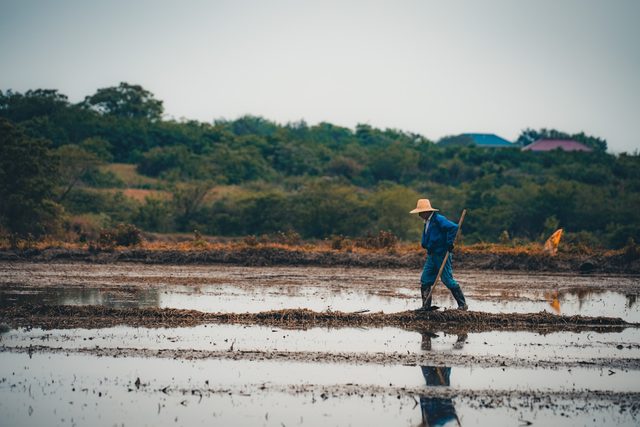
Raise nursery May to mid-June; transplant 25–30 day old seedlings from mid-June to mid-July. Two to three seedlings per hill at 22×22 cm. Direct seeding is a lower-water alternative where drills are available.
Maintain 5–8 cm standing water through tillering. Alternate wetting and drying can cut water use materially without yield loss on suitable soils. Drain 10–15 days before harvest.
About 45 kg N, 35 kg P₂O₅ and 25 kg K₂O per acre for Basmati; higher nitrogen for coarse types. Apply nitrogen in three splits: basal, active tillering and panicle initiation. Zinc is commonly deficient in rice soils.
Harvest when 80–85 % of grains turn straw-coloured, October to November. Dry to 14 % moisture before milling to protect head-rice recovery.
Crop protection
Identify first, then treat on threshold. Routine calendar spraying costs money and drives resistance.
Insect pests 4
Diseases 4
Report a suspected notifiable pest to your district office. Find your office
Related
Raises the share of certified seed in circulation by developing a registered grower network alongside the federal seed certification system.
Direct input-cost support aimed at smallholders, delivered through district agriculture offices and paid against verified purchase receipts.
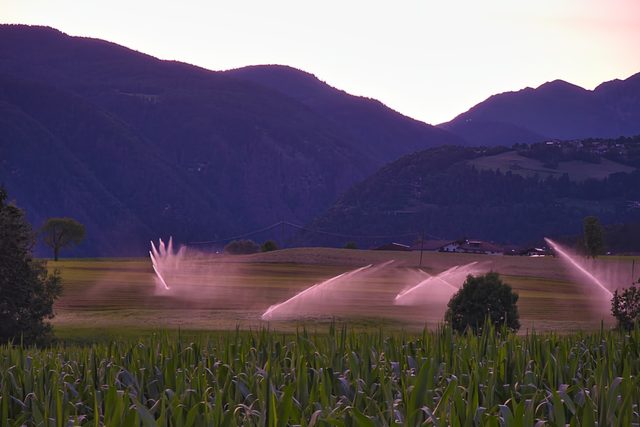
Supports the shift from flood irrigation to pressurised systems, with technical design provided by the department’s water management wing.
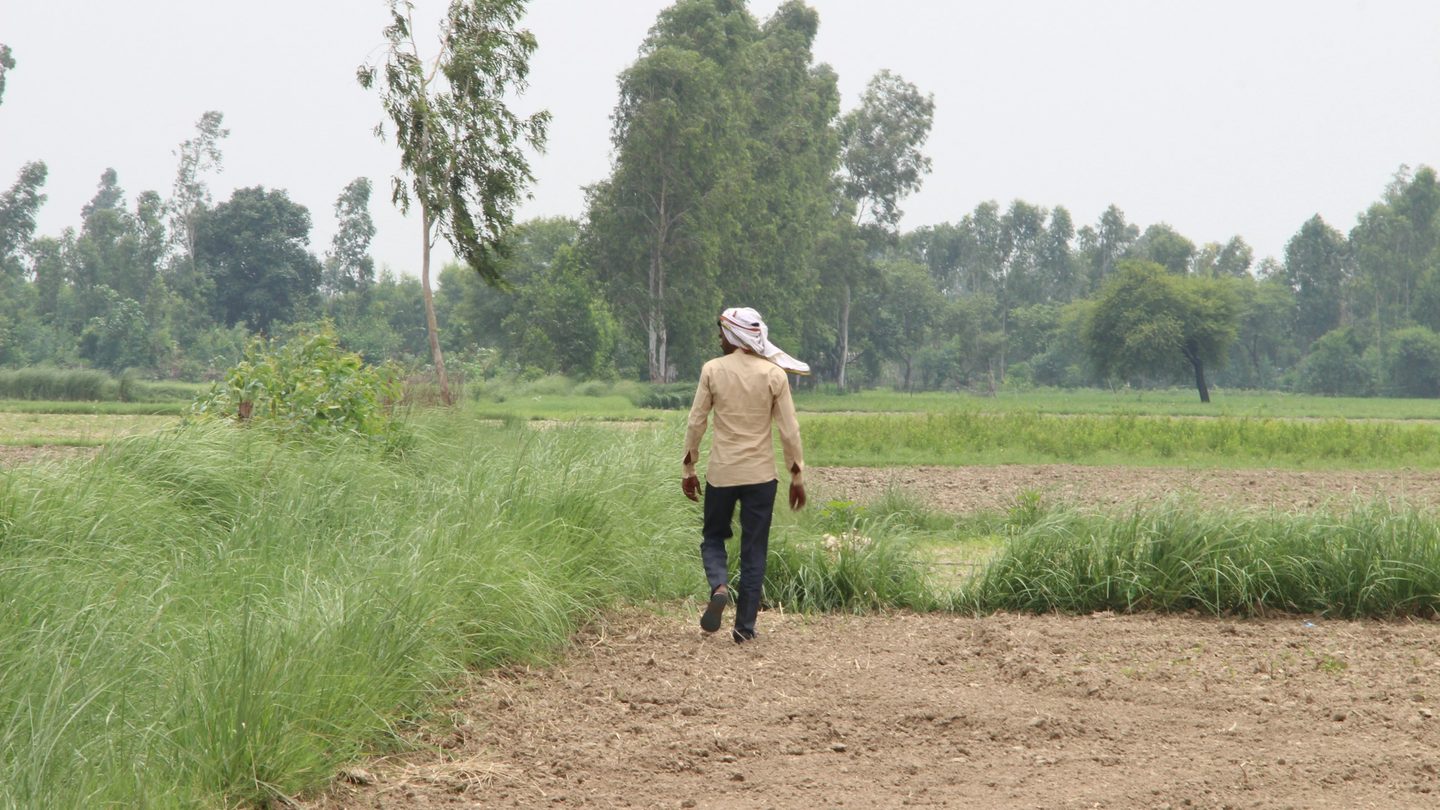
Sowing windows shift with altitude, canal rotation and the season itself. Your district office has the local figures.