OpenInput support
Farmer Support Initiative
Direct input-cost support aimed at smallholders, delivered through district agriculture offices and paid against verified purchase receipts.
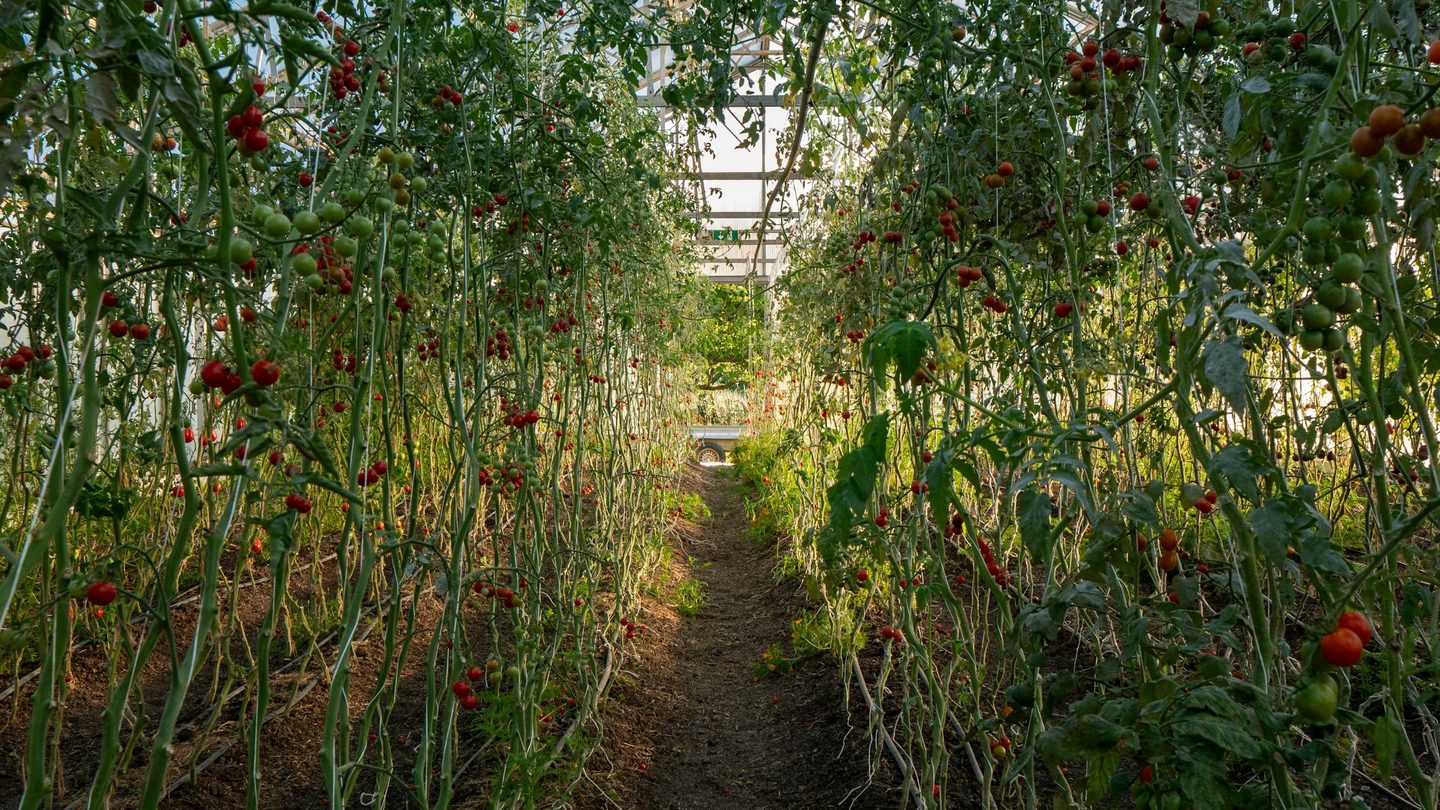
A short-cycle vegetable increasingly grown under protected structures.
Grown in: Sindh, Balochistan, Punjab. Windows are indicative and shift with district, altitude and season.
Overview
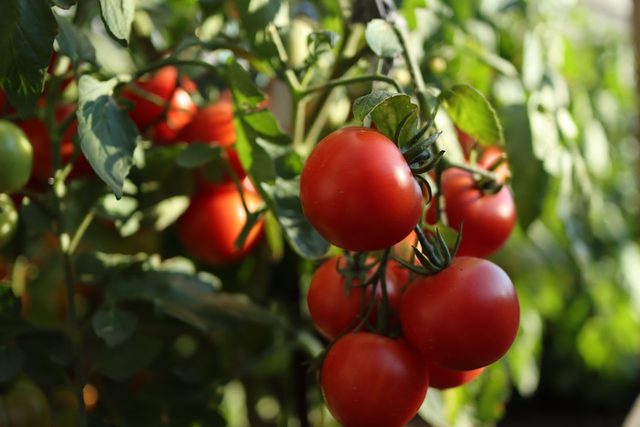
Tomato is grown in the open field across Sindh and Balochistan in winter and in Punjab in spring and autumn, with tunnel cultivation expanding to cover the off-season price window.
Growing conditions
Warm days and cool nights, 20–27 °C. Fruit set fails above 35 °C and below 10 °C, which sets the planting calendar.
Well-drained sandy loam to loam rich in organic matter, pH 6.0–7.0.
Transplant four to five week old seedlings. Spring crop transplanted January to February; autumn crop August to September. Space 60×45 cm, using 100–125 g seed per acre.
Irrigate every 7–10 days, keeping moisture even through flowering and fruit set. Fluctuating moisture causes blossom-end rot and fruit cracking.
Roughly 70 kg N, 50 kg P₂O₅ and 50 kg K₂O per acre with nitrogen in three splits. Calcium supply matters — blossom-end rot is a calcium-availability disorder, not an infection.
Pick every three to four days from 70–80 days after transplanting. Harvest at breaker stage for distant markets and at table-ripe for local sale.
Crop protection
Identify first, then treat on threshold. Routine calendar spraying costs money and drives resistance.
Insect pests 4
Diseases 4
Report a suspected notifiable pest to your district office. Find your office
Related
Direct input-cost support aimed at smallholders, delivered through district agriculture offices and paid against verified purchase receipts.
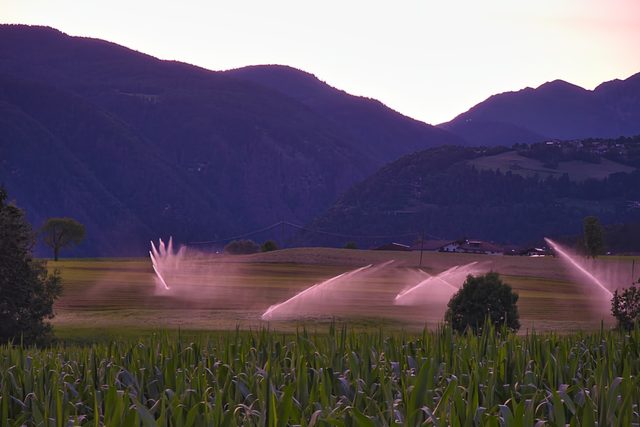
Supports the shift from flood irrigation to pressurised systems, with technical design provided by the department’s water management wing.
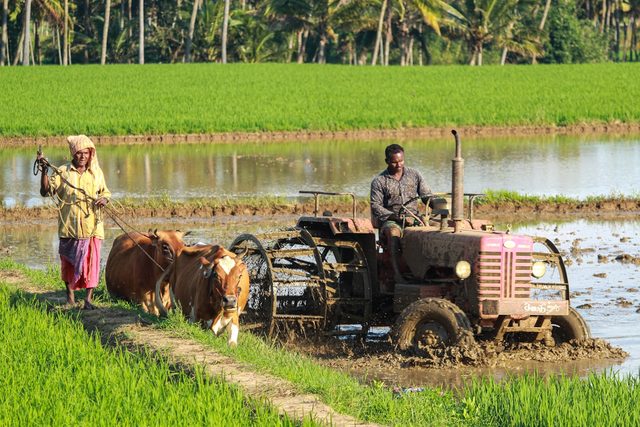
Reduces the capital barrier to mechanisation, with a preference for shared-use service models that reach farms too small to own machinery.
Sowing windows shift with altitude, canal rotation and the season itself. Your district office has the local figures.